If you have recently sat across from a vet who mentioned the words "advanced imaging," you likely felt that immediate, sinking feeling in your stomach. Having spent nine years working on the front desk of busy small animal practices, I know that look well. It’s the look of an owner trying to calculate the cost of a mortgage payment while worrying about their best friend.
The reality is that veterinary prices have seen a sharp increase in the UK between 2016 and 2023. This is not just inflation; it is the result of rapid corporate consolidation in the veterinary sector. As an owner, you deserve to know exactly what you are paying for and why those prices seem to keep climbing.
The Cost of an MRI: What to Expect
Let’s cut through the jargon. You aren't just paying for the machine; you are paying for the specialist radiologist to interpret the images, the anaesthesia team, the nursing staff to monitor your dog, and the overheads of a specialist referral clinic.
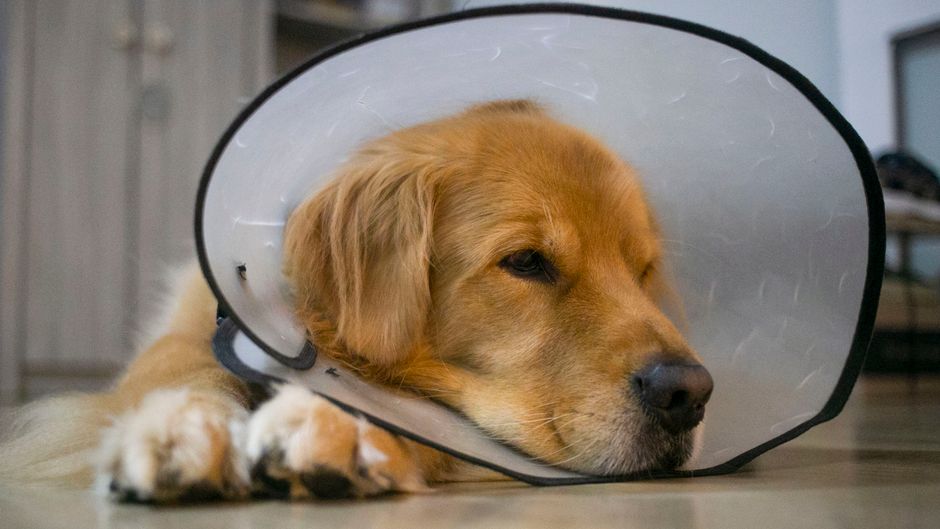
For an MRI scan in the UK, you should expect to pay between £1,500 and £3,000. This range covers the sedation, the scan itself, and the interpretation fee. If your dog requires a brain MRI or a spinal scan, it is often on the higher end of that scale. If your pet has a complex condition that requires multiple imaging modalities—like a CT scan followed by an MRI—you could easily exceed these figures.
Service Estimated Price Range (UK) General Consultation (Specialist) £150 – £300 MRI Scan (Single area) £1,500 – £3,000 Anaesthesia & Monitoring (Required for MRI) £400 – £800 Specialist Interpretation Fee £200 – £400Note: These prices are estimates. Referral clinics vary significantly in their fee structures, and corporate-owned clinics often have different pricing tiers compared to independent university hospitals.
The CMA Investigation and Transparency
You may have heard about the Competition and Markets Authority (CMA) investigation into the UK veterinary market. After years of owners complaining about opaque pricing, the CMA launched a formal review. Their findings confirmed what many of us in the industry have suspected for a long time: the market is not working well for pet owners.
The CMA found that many owners are not being made aware of the costs of treatments up-front, and many don’t realise they have the option to shop around for medicines or treatments. One of the biggest points of contention is the prevalence of "corporate groups." Many clinics that appear to be your friendly local vet are actually part of massive national chains. This often leads to profit-driven pricing models that disadvantage the consumer.
For more details on the reforms, you can review the latest updates on GOV.UK. The government is pushing for better transparency, which means you have more power than ever to ask for itemised quotes.
Stop Overpaying for Prescriptions
If your dog needs medication—whether it’s post-MRI pain relief or ongoing treatment—please stop buying it at the vet’s reception desk. Vets make a significant portion of their profit from "dispensing fees" and markups on medication. You have the legal right to ask for a written prescription and buy the medication from a licensed online pharmacy.
- VetUK Pet Drugs Online Animed Direct
Using these services can save you anywhere from 30% to 60% on long-term medication costs. Just ask your vet for a written prescription. They are allowed to charge a small fee for the admin time (usually £10–£20), but even with that fee, you will often end up significantly better off.
Insurance and Financial Planning
I am wary of "hard-sell" insurance advice, thepennypincher.co.uk but the reality is that an unexpected £3,000 bill is a crisis for most households. If you are shopping for a policy, don’t just take the cheapest quote. Use tools like the Perfect Pet Insurance comparison link to look at "lifetime" cover versus "per-condition" cover. Always check the excess amount—a lower monthly premium often hides a punishingly high excess if you actually need to claim for an MRI.
My 3-Step Action List for Expensive Procedures
When you are faced with a recommendation for advanced imaging, follow this 3-step action plan to keep your costs under control:
Demand a "Best/Worst Case" Itemised Estimate: Never accept a verbal "around £2,000." Ask for a printout that breaks down the anaesthetic, the scan, the contrast media, and the overnight stay. If they are hesitant to provide this, walk away. Check if the Referral is Mandatory: Ask your primary vet if the imaging can be done at a smaller, perhaps independent, clinic rather than a high-end corporate "super-centre." Referral clinic costs are almost always higher due to the prestige and overheads of the facility. Request a Written Prescription: If your pet is sent home with medication following a scan, ask the vet to provide a written prescription immediately so you can order via a licensed online pharmacy. Do not pay for a "starter pack" at the clinic unless absolutely necessary.Questions to Ask at the Desk
I spent nine years behind the desk, and I can tell you that the owners who asked these questions got better service and often better prices. Don't be afraid to be "that" person; it’s your money and your dog.
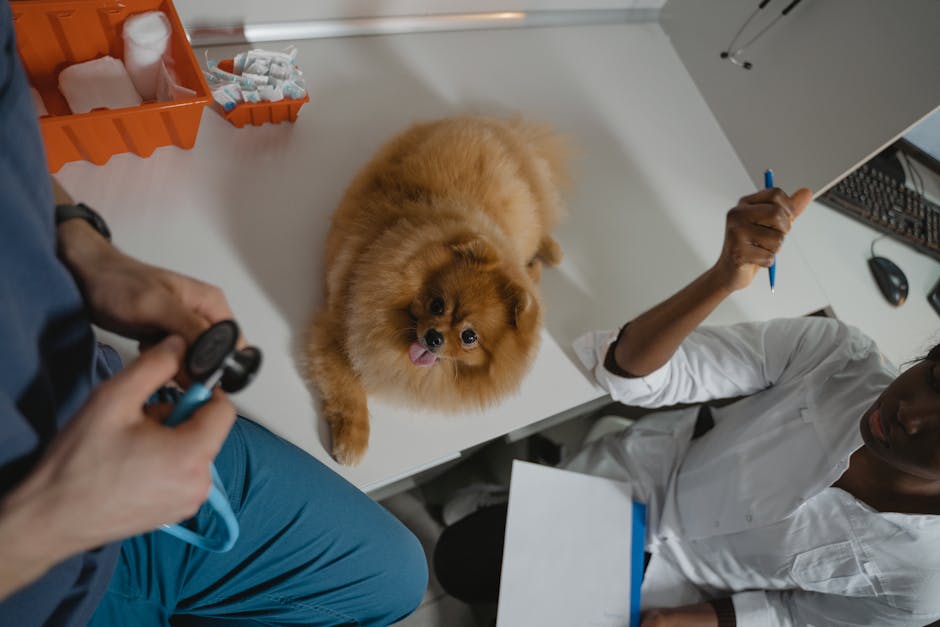
- "Is this clinic part of a larger corporate group, or is it independently owned?" "Can you provide an itemised estimate including the 'worst-case' scenario for follow-up care?" "What is the total cost for the MRI, inclusive of VAT, specialist interpretation, and anaesthesia?" "If I buy the post-scan medication online, what is your fee for issuing a written prescription?" "Are there any lower-cost diagnostic alternatives to an MRI that would give us sufficient information for a treatment plan?"
The "Local" Vet Trap
One of my biggest annoyances is the "disguised corporate" clinic. Many large companies buy out local practices but keep the old, trusted name above the door. They use the local reputation to charge higher prices while funneling the profits to shareholders. When you are looking for imaging, don't assume that because the clinic has been in the village for 50 years, it still operates with the same ethos. Check their website—often, if you scroll to the very bottom, you will see a small logo or line of text indicating their parent company.
At the end of the day, advanced imaging is a tool, not a mandatory requirement for every limp or head tilt. Always weigh the cost against the potential clinical outcome. If the MRI result won't change how you treat your dog, you have the right to ask if it is truly necessary. Keep your eyes on the paperwork, use your right to online prescriptions, and don't be afraid to ask for a second opinion.