If you have been following Georgia’s medical cannabis journey for the last decade, you know that legislative language is rarely just "bureaucratic noise." It is a survival manual. As a former reporter who spent 11 years covering the cross-sections of Georgia’s health policy and state agency rulemaking, I have seen too many patients get caught in the "gray area" because they treated medical cannabis like an over-the-counter supplement.
Senate Bill 220 isn't just another bill—it represents a fundamental shift in how Georgia frames medical cannabis. We are moving away from the restrictive, vague "Low THC Oil" terminology toward a structured medical cannabis framework. But with that structure https://freedomforallamericans.org/putting-georgia-patients-first-act-sb-220/ comes strict compliance. If you are a patient or a caregiver, you need to understand that the "original packaging requirement" is now your first line of defense against legal scrutiny.
Why "Labeling Matters" More Than Ever
One of my biggest pet peeves is when I hear people refer to Georgia’s state-regulated products as "dispensary weed." That terminology is not only technically incorrect under Georgia law, but it’s dangerous. It implies a recreational or semi-regulated environment that simply does not exist here.
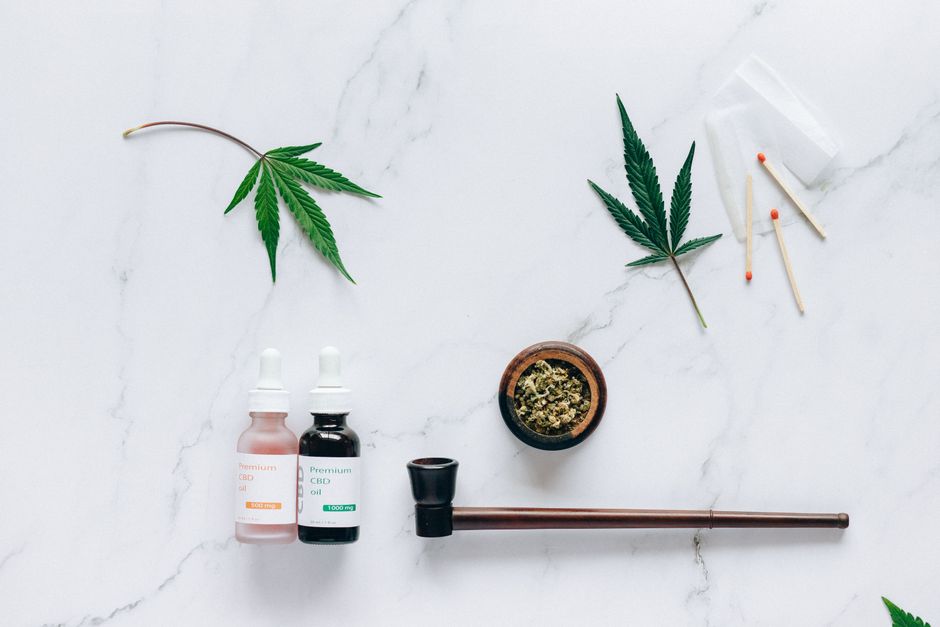
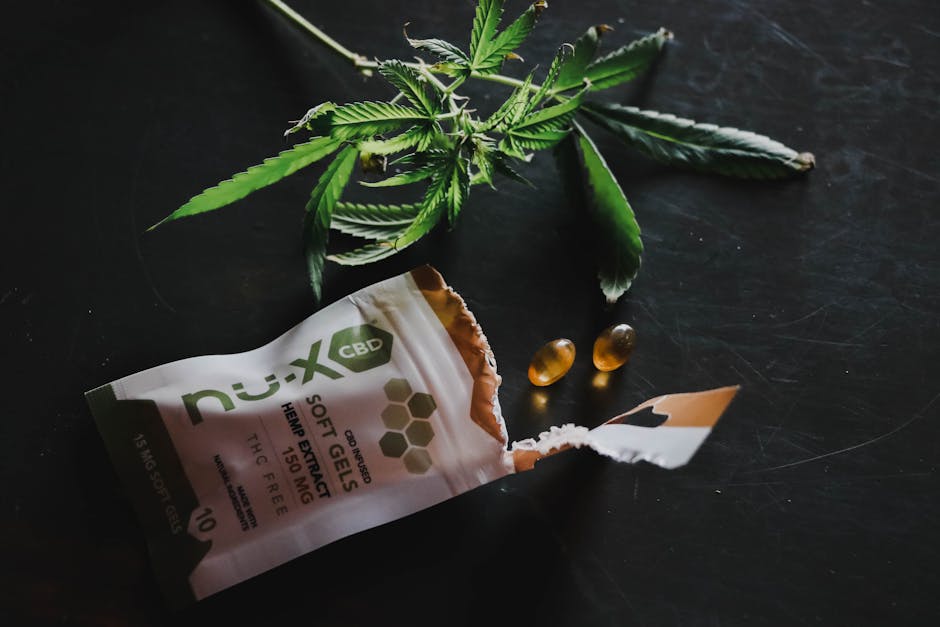
Under the rules clarified by SB 220, labeling matters. When you purchase medical cannabis in Georgia, it must arrive in its manufacturer-labeled pharmaceutical container. If you decide to move that oil into a different vial, a generic dropper, or a baggie to "save space," you have effectively stripped yourself of the only legal protections the Georgia General Assembly has provided you. Law enforcement is not trained to verify the chemical makeup of substances on the fly; they are trained to verify the label. If it isn't in the original container, you are operating outside of the statutory safe harbor.
The Legal Significance of the Label
- Chain of Custody: The manufacturer label confirms the product originated from a state-licensed producer. Safety Verification: It provides the QR code or batch number linked to the laboratory test results required by the Georgia Department of Public Health (DPH). Patient Identification: When paired with your DPH Low THC Oil Registry card, the label bridges the gap between your legal right to possess and the specific substance in your hand.
Georgia Possession Rules: Decoding the Math
Let’s talk about the math, because if you get this wrong, the consequences are not "minor." For years, I’ve watched people confuse dosage limits with possession limits. They are not the same thing. Georgia law—as reinforced by SB 220—focuses on the total volume and the specific milligram (mg) content of THC.
Double-checking the statutes (specifically referencing the enrolled bill PDF from LegiScan), the possession threshold for medical cannabis oil is set at 20 fluid ounces. If you are possessing solid forms, the law dictates a limit that equates to the equivalent of 20 fluid ounces. Note that this is not 20 ounces of "flower" or "raw plant matter."
Possession Compliance Checklist
You can use this checklist to ensure you are strictly following Georgia possession rules:
- Check the container: Is it the original, manufacturer-labeled pharmaceutical packaging? Verify the THC content: Is the total THC content in milligrams clearly visible on the label? Check your DPH card: Is your registry card current? (Always check the Georgia DPH Low THC Oil Registry page to ensure your status hasn't lapsed.) Proof of purchase: Keep your transaction receipt. It isn't explicitly required to be stapled to the bottle, but it serves as an excellent "Plan B" during a verification encounter.
Table: Comparing the Old Regulatory Landscape vs. SB 220
Feature Pre-SB 220 Landscape Post-SB 220 Framework Possession Limit 20 fluid ounces (vague definitions) 20 fluid ounces of oil, precisely defined. Labeling Standards Minimal/Ambiguous Strict manufacturer-labeled pharmaceutical standards. Qualifying Conditions Narrow list Expanded to include Lupus, intractable pain, and more. Framework Low THC Oil Medical Cannabis FrameworkExpanded Qualifying Conditions
One of the most vital aspects of SB 220 is the expansion of the list of qualifying conditions. Patients who were previously left in the dark now have a legal pathway to access medicine. If you have been living with lupus or intractable pain, you may now be eligible for the registry.
However, simply "having" a condition is not enough. You must have a physician registered with the DPH certify your condition in the state database. Once that is done, you aren't just "buying a product"; you are receiving a medical treatment that is tracked from seed to sale. This is why the packaging is so rigid—the state is treating this like a prescription, not a lifestyle product.
What People Miss (The "Reporter's Notes" Section)
I’ve spent enough time in committee rooms to know that people focus on the big headlines (like "It's finally legal!") and ignore the procedural landmines. Here is what most people miss about SB 220:
The "Possession vs. Usage" Gap: Just because you possess 20 fluid ounces legally does not mean you have a legal shield if you are caught using it in public. Public consumption laws in Georgia remain strict. The Registry Isn't a Forever Card: DPH registry cards expire. I have met people who thought their card was valid for life. Check your expiration date twice. If you are caught with medicine and an expired registry status, the manufacturer label won't save you. The Definition of "Intractable Pain": This is a highly specific medical definition under the law. Not all pain qualifies. You need a physician who understands the specific legal language required for the DPH application. If your doctor writes "chronic pain" instead of the statutory "intractable pain," your application will be rejected by the registry. Cross-State Lines: Bringing products back from other states (even where it is legal) is still a violation of Georgia law. SB 220 deals with the Georgia framework; it does not authorize interstate transport.
Final Thoughts for Patients
The transition to a medical cannabis framework is a victory, but it is a victory that requires patient discipline. We are no longer operating in the "wild west" of the early Low THC Oil days. We are operating in a regulated pharmaceutical environment.
Keep your products in their original packaging. Keep your receipts. Keep your registration current. If you treat your medical cannabis with the same level of bureaucratic respect that the State of Georgia demands, you will avoid the pitfalls that many patients fall into. And please, for the sake of those of us who have to write about this stuff: let's stop calling it "dispensary weed." We are patients, not customers, and our medicine deserves to be treated with the legal rigor it requires.
Disclaimer: I am a former policy reporter and educator. This post is for informational purposes based on current state statutes and should not be considered legal advice. Always consult with the Georgia DPH Low THC Oil Registry for the most up-to-date compliance requirements.